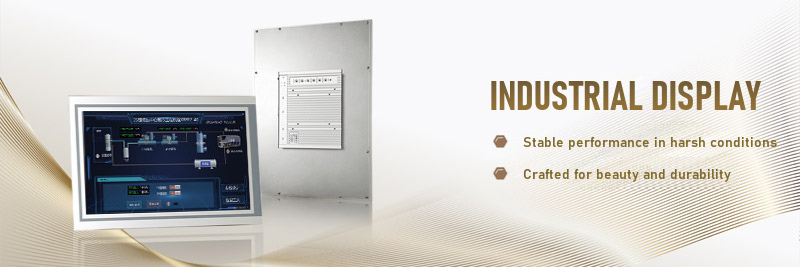
Industrial Robots Industrial monitors serve as the operator interface for robots, displaying information such as operating status, operating parameters and operation commands to enable operators to perform monitoring and control. In automotive manufacturing plants, for example, industrial monitors provide real-time visibility into robot work progress and fault information, helping on-site staff promptly identify and resolve issues.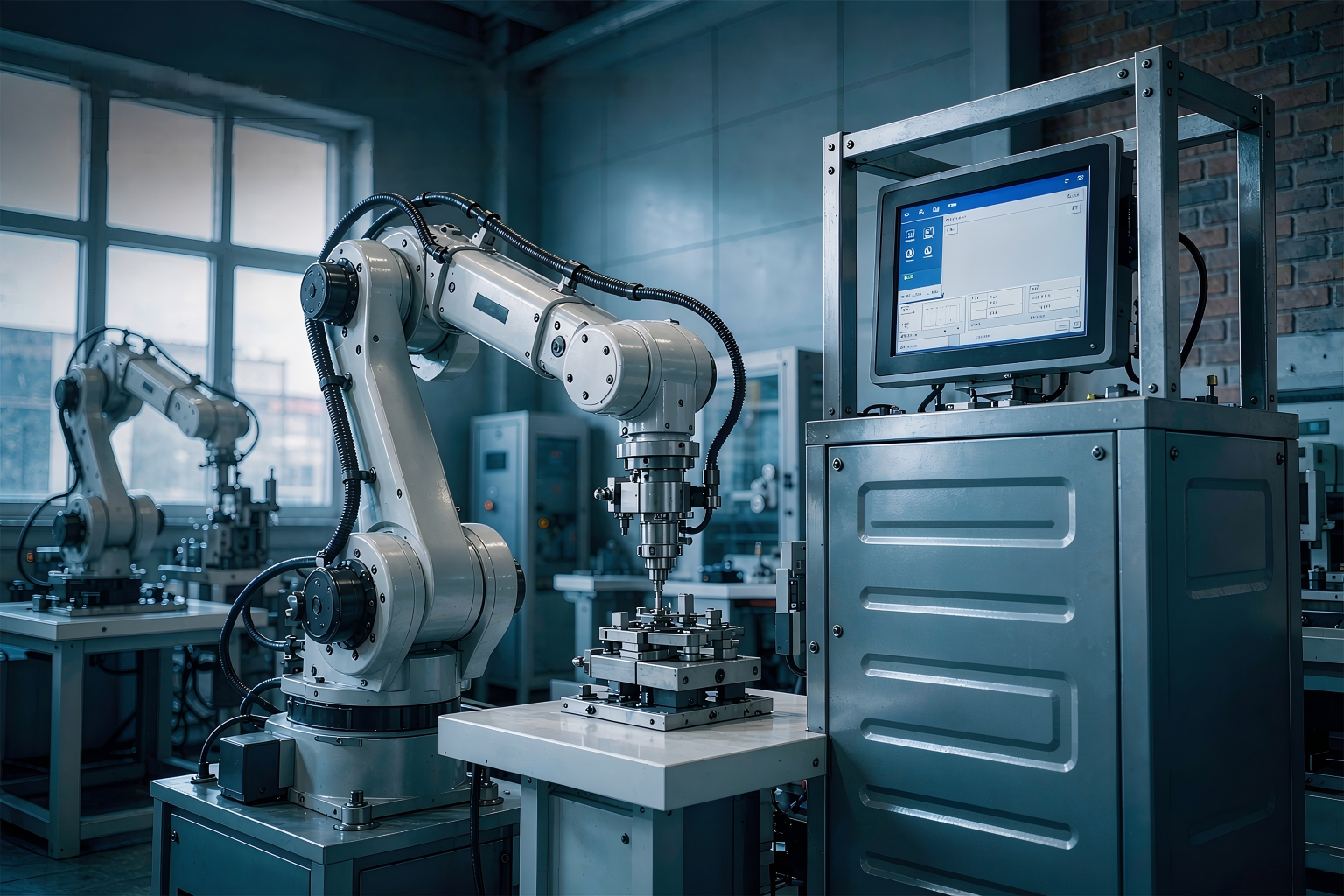
Automated Production Lines On automated production lines, industrial monitors display operational status, production data and quality inspection results. On electronics production lines, for instance, they present real-time data on output volume and yield rate for each production stage, supporting production managers in production scheduling and quality control.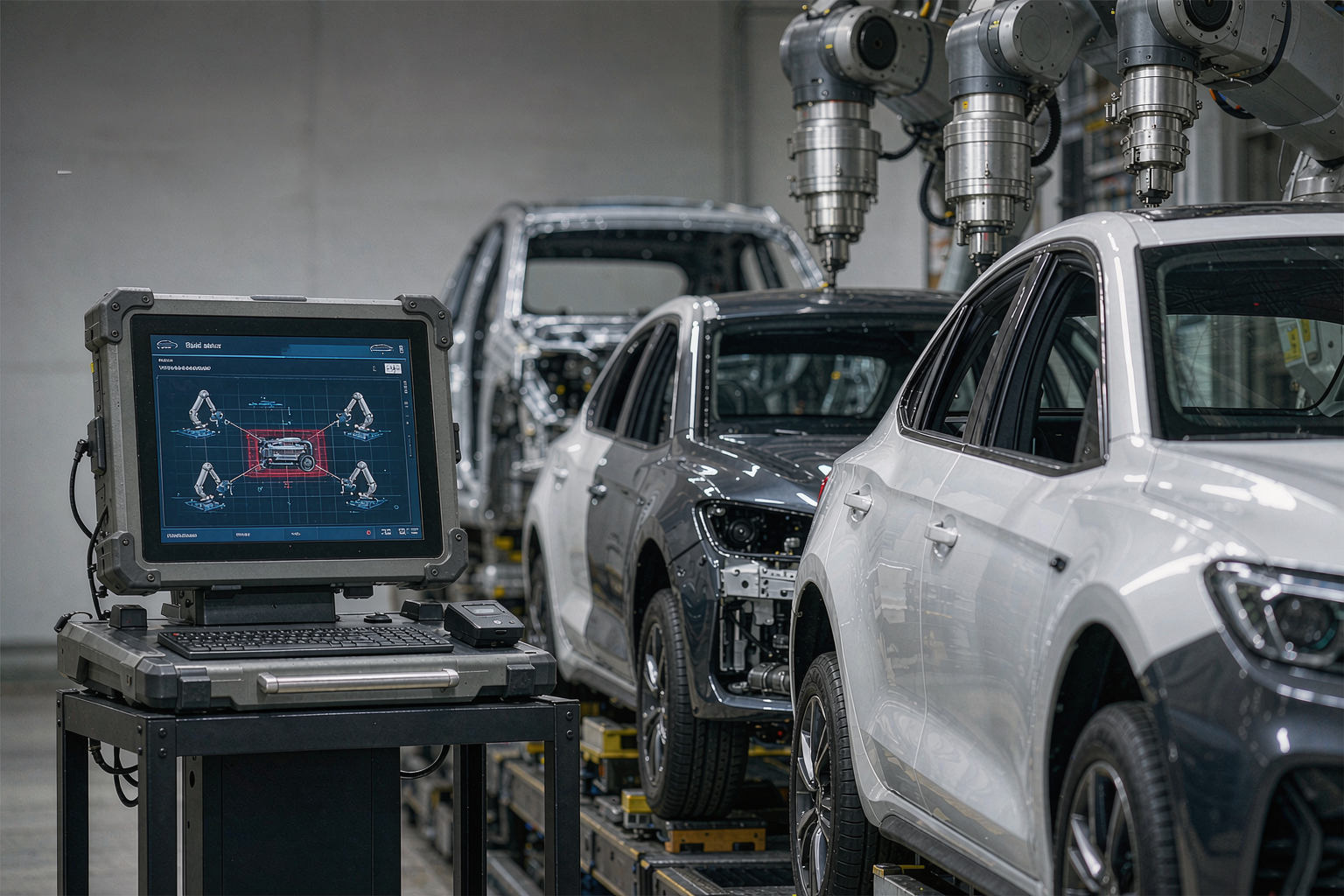
Medical Imaging Equipment For devices including CT scanners, MRI systems and ultrasound diagnostic systems, industrial monitors display internal body images to support clinical diagnosis. These monitors typically feature high resolution, high contrast and high color fidelity, capable of rendering fine details of human tissues with clarity.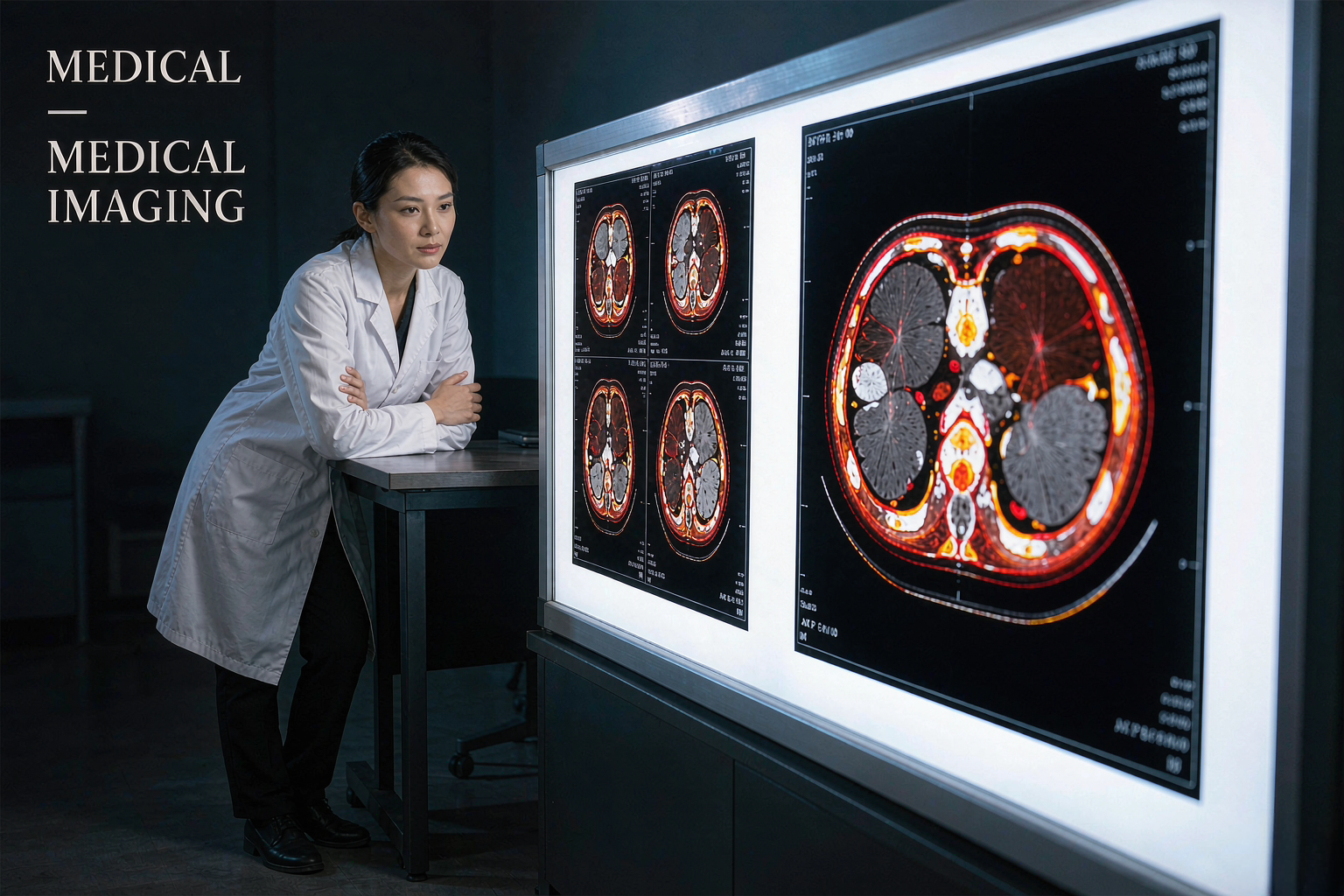
Patient Monitoring Devices In hospital settings such as intensive care units (ICUs) and operating rooms, industrial monitors display patient vital signs data including ECG, blood pressure and blood oxygen saturation. These data are critical for clinicians to track changes in patient condition and make accurate diagnostic and treatment decisions.
Automotive In autonomous vehicles, industrial monitors display real-time vehicle data such as driving speed, navigation information and surrounding perception data to enable human-vehicle interaction. Additionally, integrated into vehicle dashboards, industrial monitors also present a full range of vehicle information including engine RPM, coolant temperature and fuel level.
Rail Transportation On board metro and railway vehicles, industrial monitors display train operation information and passenger information. For example, in-carriage industrial monitors in metro systems show station arrival updates and transfer information to facilitate passenger travel.
Power Plants Industrial monitors display operational status of power generation equipment, power output, energy consumption and other metrics, supporting operators in equipment monitoring and management. In coal-fired power plants, for instance, they provide real-time readings of boiler temperature, pressure and water level, as well as generator output power data.
Power Distribution Systems In power distribution systems, industrial monitors display operational status, voltage, current and other data of distribution equipment to facilitate troubleshooting and maintenance. In substations, for example, they deliver real-time information on transformer operating parameters and switch status.
Inventory Management Industrial monitors display inventory information such as product categories, quantities and storage locations, assisting staff with inventory counting and management. In large-scale warehouses, industrial monitors can connect to the warehouse management system (WMS) to show real-time inventory status, streamlining stock-in and stock-out operations.
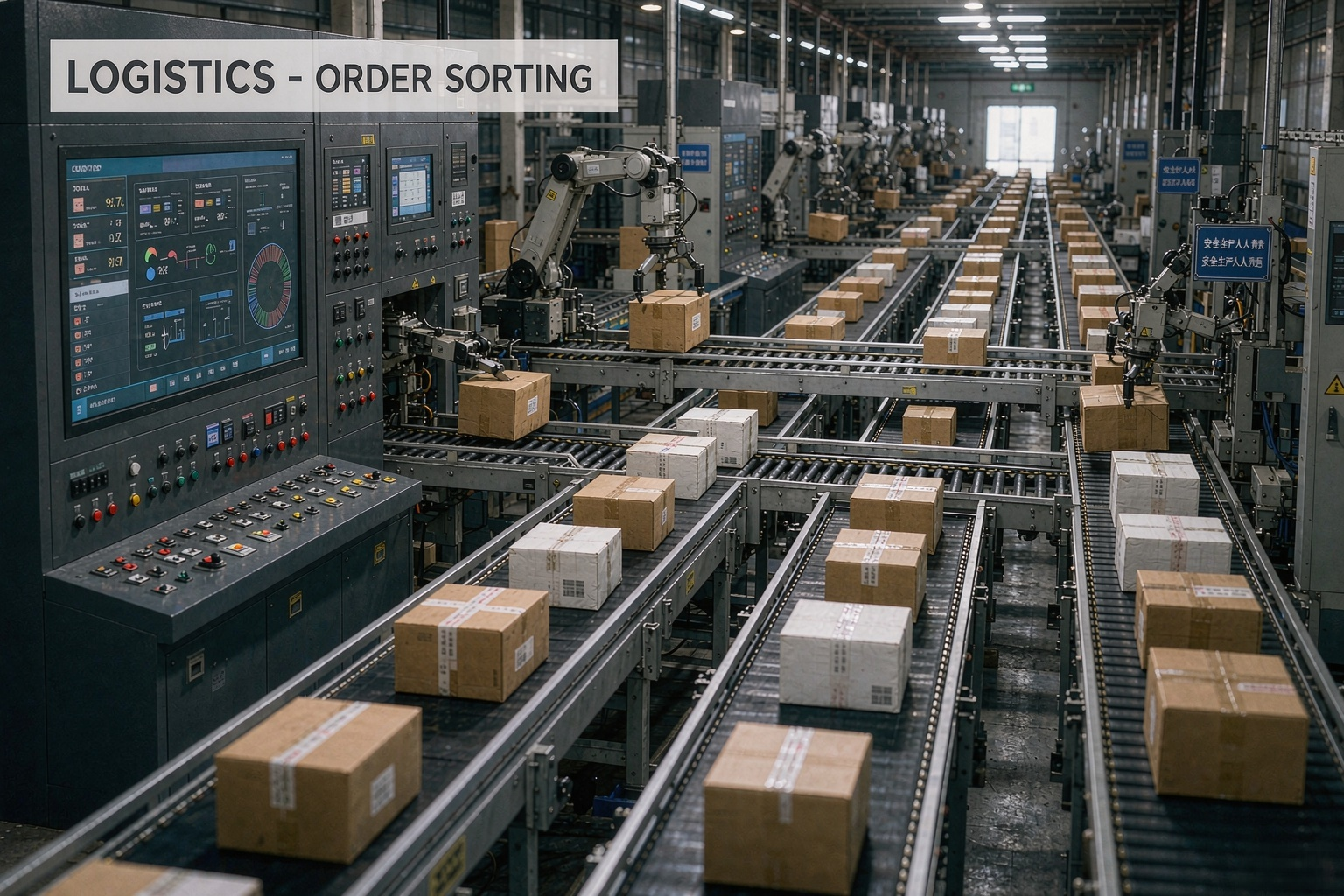
Order Picking & Tracking In logistics distribution centers, industrial monitors display order information and goods picking routes to improve the efficiency and accuracy of order picking. For example, operators can review detailed order information via industrial monitors and follow system-guided routes to complete goods picking and distribution.